 Mimu Play









product search
Indoor PlaygroundNinja WarriorOutdoor PlaygroundTrampoline
search
When talking about “large trampolines”, people usually think of those models with a diameter of 12 feet, 14 feet or 15 feet. These sizes are standard specifications designed specifically for families with children or teenagers who are developing. A 14-foot or 15-foot trampoline can provide a huge jump space of 115 to 145 square feet, but the total floor space you really need to reserve for the backyard is actually much larger. To ensure absolute safety, you must include the height of the frame, the safety fence, and the mandatory 3-to 5-foot “safety buffer” around it. This means that if you buy a 14-foot trampoline, you actually need a flat ground with a diameter of at least 20 feet to avoid obstacles and ensure structural stability. In particular, the load-bearing capacity of these large models is usually 250 to 400 pounds or more, and it is impossible without a solid environmental support.
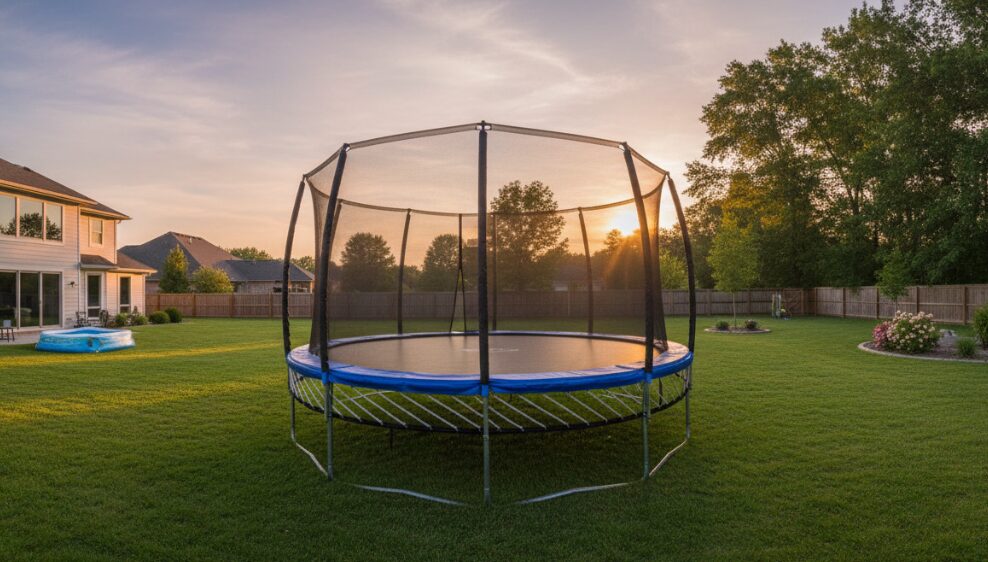
When shopping for a “large” trampoline, the size is usually divided into 3 main categories. Figuring out the nuances between these dimensions is essential for the actual use experience and yard planning:
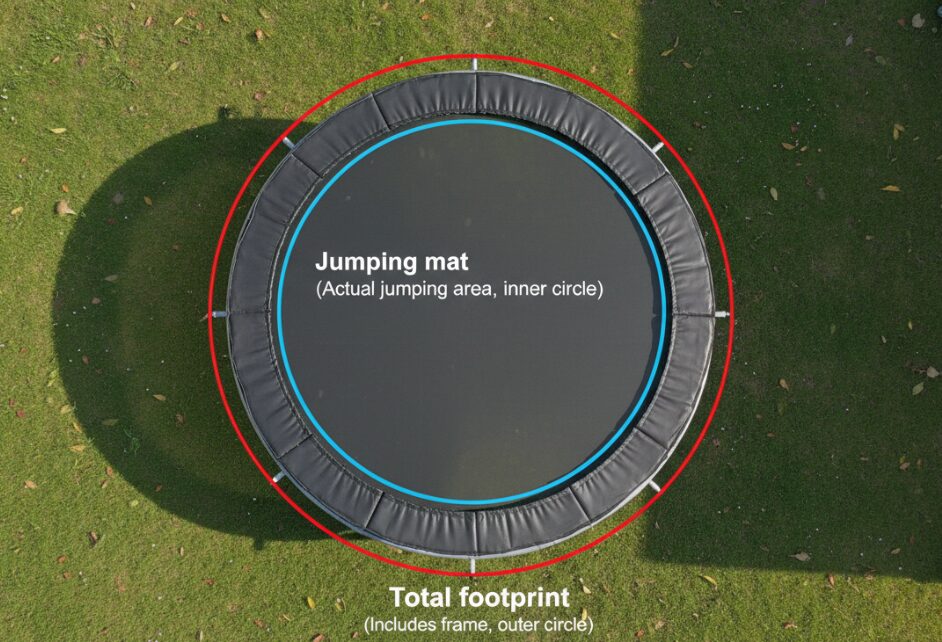
I find that the easiest mistake many people make is to measure only the framework. In fact, the “big” of a large trampoline is defined by two completely different indicators:
Discover endless fun and spark imagination! Our indoor playground products create a safe, exciting paradise for children. Experience boundless joy now!
Embrace adventure and fresh air! Our outdoor playground products offer thrilling, safe experiences for kids to explore, play, and grow. Unleash the fun outside!
The physical dimensions of the trampoline are only part of the calculation. In order to comply with safety standards and recommendations for the use of outdoor equipment, a clearance of 3 to 5 feet around is mandatory. Why can’t this space be saved?
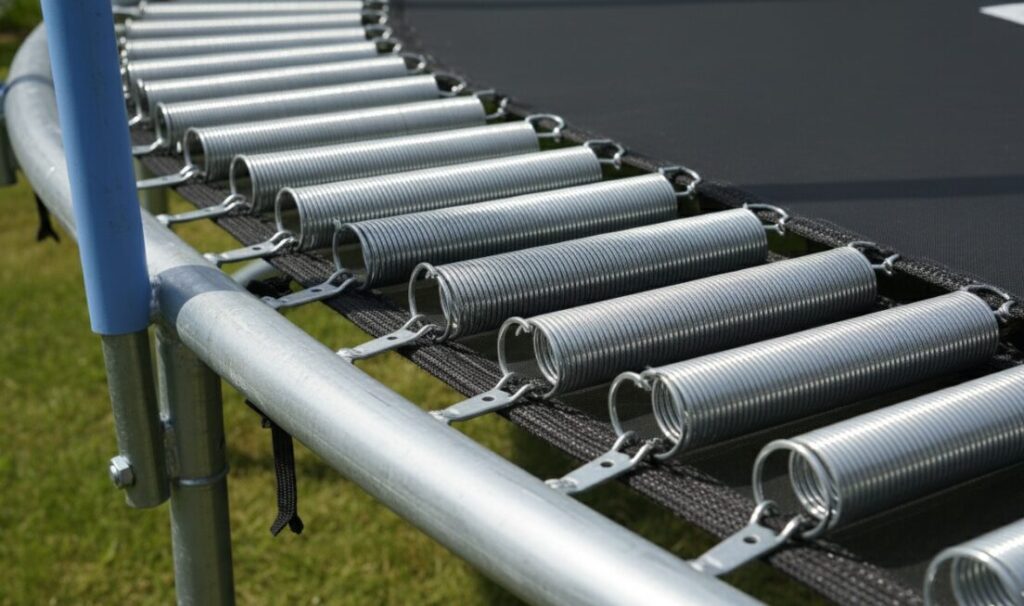
The “size” of the trampoline is directly linked to its load-bearing capacity. Because larger models use more springs (usually 80 to 96 or more) and thicker steel pipes, their structures are designed to withstand higher loads.
Before you place an order, it is recommended to use this list through your yard:
As long as you choose the right size and respect these safe buffer distances, your large trampoline will be a very cost-effective and durable family happy investment.
Author: Mark Henderson
With over a decade of experience in backyard recreation and outdoor safety, I specialize in helping families choose the right play equipment for their space. My expertise focuses on structural integrity and safety standards, ensuring that when you ask ‘how big’ a trampoline is, you’re getting a comprehensive answer that accounts for both the jumping area and the essential safety zones.

Discover How Many Calories Trampoline Jumping Burns And Effectively Lose Weight With This Fun, Low-Impact Exercise.
View details
Learn How To Build An Outdoor Playground Using Professional Safety Standards, ASTM Materials, And CPSC Guidelines.
View details
Learn How To Accurately Measure Your Trampoline Frame, Count Springs, And Find Spring Length For Perfect Replacements.
View details
Choose the best soft play equipment by checking safety, durable foam, easy-clean covers & age-appropriate soft play sets.
View details