 Mimu Play


product search
Indoor PlaygroundNinja WarriorOutdoor PlaygroundTrampoline
search
A useful trampoline session gives participants room to move, a challenge they can manage, and a clear way to pause. The benefits of indoor trampoline activities can include opportunities to practise jumping, body control and balance adjustments. Whether those opportunities become a worthwhile experience depends on the person, the equipment and how the session is managed.
For families choosing an activity and operators planning a commercial trampoline area, this distinction matters. An appealing room can invite participation. Suitable entry rules, well-maintained equipment and attentive supervision help make that participation possible.
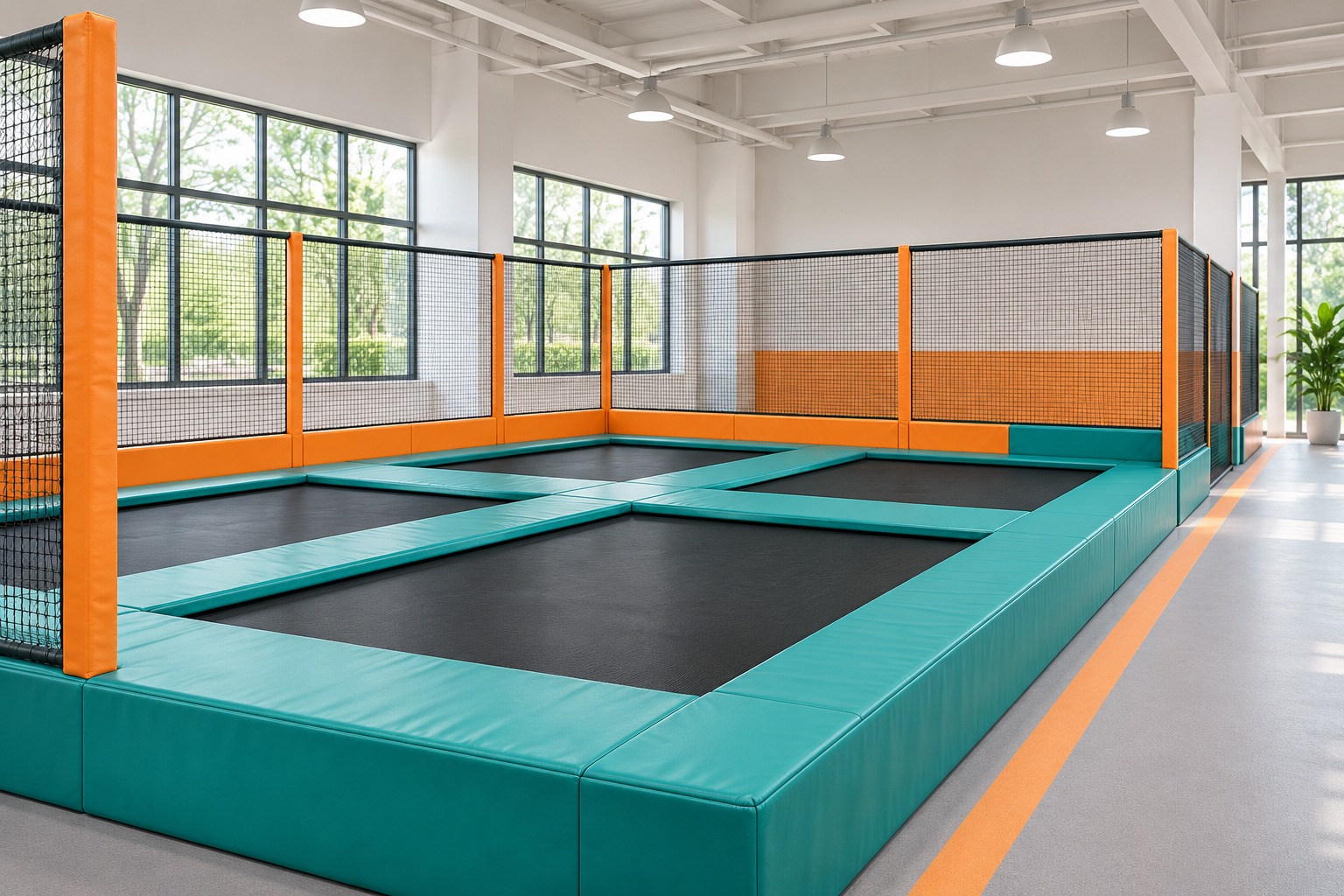
An indoor trampoline area provides a place for jumping and other permitted movement activities. Depending on the activity and the participant, a session can involve relatively vigorous movement. Its practical value begins with giving someone an activity they want to take part in and can use within the rules.
Look beyond the size of the room or the number of attractions. Can a first-time visitor understand where to start? Is the activity appropriate for their ability? Can they leave the bed and reach a rest area without crossing another activity? These details help distinguish a usable play environment from an impressive-looking one.
A visit can contribute to a person's overall activity, but it does not establish a particular fitness result. Equipment names and session lengths alone cannot support promises about weight loss, physical development or lasting improvements in fitness.
Trampoline activities offer opportunities to practise jumping, controlling body position and adjusting balance. The useful challenge is one the participant can understand and manage under the area's operating rules. More difficult movement is not automatically more valuable.
For a beginner, following a permitted activity, responding to staff guidance and choosing when to stop may be more relevant than attempting an advanced skill. Progress should stay within the equipment's approved use and the participant's ability, training and experience.
Observe participation rather than assuming an outcome. Is the person comfortable with the activity? Can they understand the instructions and request help? Are they choosing to continue or asking to pause? These observations are more useful during a visit than treating every completed jump as evidence of improved coordination.
A manageable challenge can give children opportunities to make choices, try again and ask for support. Those opportunities depend on how adults organise the experience. A child who can choose an appropriate activity or leave when overwhelmed has a different experience from one pressured to keep up with a group.
Shared visits can also provide opportunities to take turns, communicate and understand rules. Social participation does not require several people to jump together on a bed. It can happen through managed entry, waiting for a turn and respecting another participant's space, within the venue's capacity rules.
Simply gathering children in one room does not guarantee cooperation or confidence. Staff and caregivers need to notice how participants respond, support them when necessary and respect their decision to pause. Claims about development should remain proportionate to what has actually been observed.
The phrase indoor trampoline can describe different products. A home trampoline, a commercial trampoline court and specialist training equipment have different intended uses and operating conditions. An inflatable bouncing attraction is another equipment category. Advice for one should not be transferred to another just because both involve bouncing.
For a commercial trampoline park, check the specific area's intended users, activity, entry conditions, capacity and supervision arrangements. A family venue does not mean every bed or attraction is suitable for every age. A label such as children's area also needs clear operating limits behind it.
Age is only part of that assessment. Ability, endurance, experience and individual needs also matter. A route into the building does not establish that every activity is usable by every visitor. Families should be able to obtain specific information about access, participation, assistance and rest options before deciding whether the experience fits.
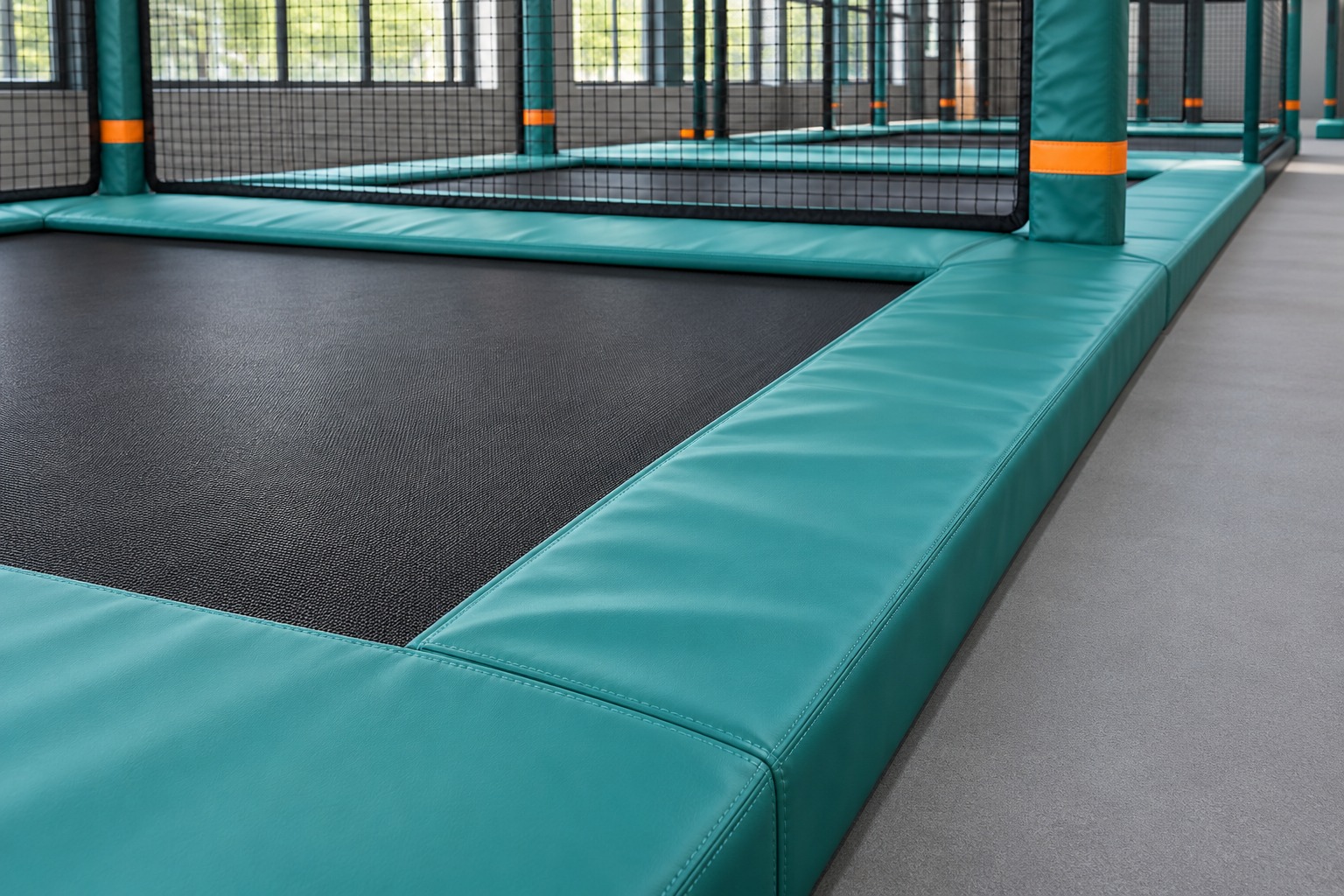
Trampoline activities involve injury risks. The potential value of participation needs to be considered alongside the actual equipment, user restrictions and operating controls. Before entry, participants should receive an explanation of the permitted activity, area limits, prohibited behaviour and how to request assistance.
Follow the area's instructions rather than copying what happens on another attraction. Do not enter a closed bed, bypass entry restrictions or attempt an activity that the area does not permit. Basketball, obstacle activities and other trampoline combinations need their own rules because they change movement patterns and interaction.
Supervision needs a clear owner. A caregiver's presence does not replace the operator's responsibilities for admission, capacity control, rule enforcement and responding to problems. Equally, a member of staff watching the floor cannot compensate for damaged padding or an unsuitable layout.
Equipment condition deserves the same attention as activity design. A trampoline system may include a steel frame, jumping bed, springs, padding and protective barriers. Inspections should cover the bed, connections, supports, padding, enclosure and entry points. Damage, movement or missing components that affect safety call for the relevant area to be closed, repaired and checked before reopening.
Start with the intended participants and activities, then work through the space and operating plan. Establish the building's usable dimensions and clear height, the proposed activity zones, user restrictions, capacity, access routes and staff positions. Keep circulation and rest areas in the discussion from the beginning.
When discussing a Mimuplay project, use that brief to ask for a clear account of the proposed trampoline system, padding, enclosure, entry arrangements and inspection needs. Check which documents and responsibilities relate to the actual configuration. A visual concept can explain appearance; it cannot establish structural suitability or readiness to open.
The strongest practical reason to choose indoor trampoline play is that it can offer an engaging opportunity to move and practise within a suitable environment. Judge the experience by participation, choice and the quality of its management. Those are useful things to assess before making promises about what a session will achieve.

Learn How To Create An Indoor Playground Business Plan With Cost Analysis, Setup Steps, Marketing Tips.
View details
Understand How To Anchor A Trampoline. Find The Best Way To Anchor A Trampoline Using Appropriate Trampoline Anchors.
View details
Ignore Old Fabric! Learn How To Measure Trampoline For New Mat Using Frame Size, Spring Length, And V-Rings For A Perfect Fit.
View details
Trampoline produces electrostatic shock; the core reason is the "friction electrification effect" generated by static electricity. When jumpers bounce on the trampoline, there is constant friction between their clothing (usually synthetic materia...
View details