 Mimu Play








product search
Indoor PlaygroundNinja WarriorOutdoor PlaygroundTrampoline
search

My answer is usually yes, but only if the venue holds three core bottom lines: strict equipment safety standards (such as ASTM F1918), sound sanitation and disinfection processes, and effective on-site supervision by parents.
Many parents are easily deceived by “soft bags.” In fact, a truly safe venue is much more than just a few cushions. It requires professional-grade impact-absorbing floor mats, non-toxic software equipment, and extremely strict age zones. If these structural and operational guarantees are not in place, the so-called “safe haven” may be more complicated than outdoors.
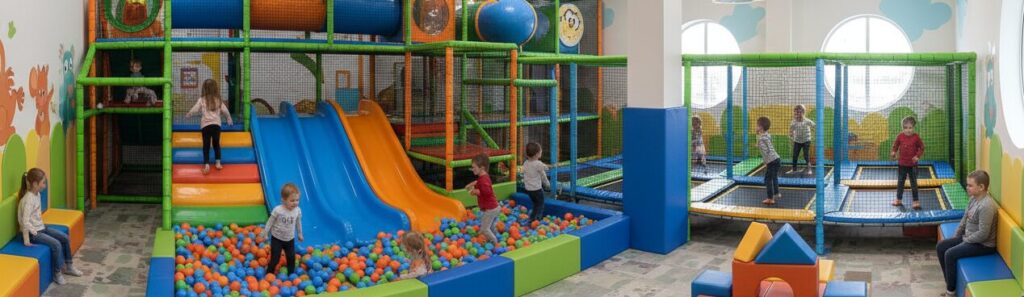
When assessing whether an indoor playground meets the standards, my first glance is whether it meets the ASTM F1918 standard. This is the international safety code for soft play equipment. A truly professional venue will definitely not only spend money on decoration aesthetics. They are more willing to work hard in the following invisible places:
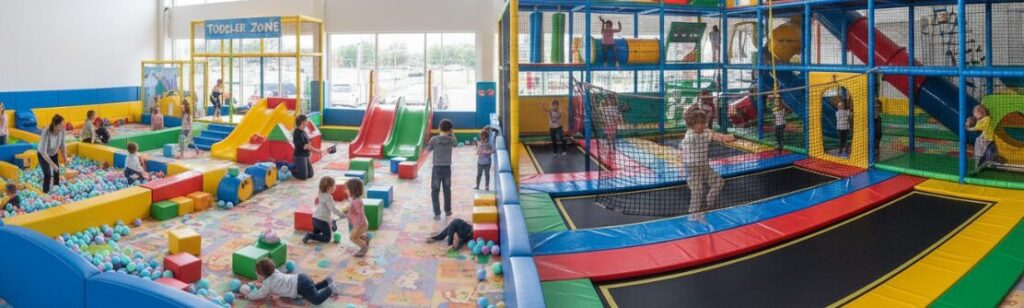
In fact, the most common risk in the playground is often not the equipment itself, but the children of different sizes and physical strength are crowded together. Many minor injuries were caused by collisions. Clear zoning is therefore essential:
Discover endless fun and spark imagination! Our indoor playground products create a safe, exciting paradise for children. Experience boundless joy now!
Embrace adventure and fresh air! Our outdoor playground products offer thrilling, safe experiences for kids to explore, play, and grow. Unleash the fun outside!
In this post-pandemic era, physical security is only half. If a venue cannot maintain strict disinfection standards, it is not really “safe”.
Even if the environment is perfect, the last line of defense is still “people”.
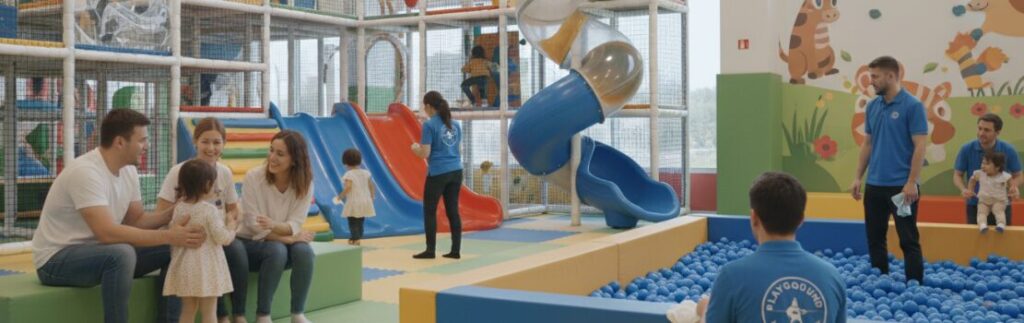
Overall, when indoor playgrounds strictly adhere to professional safety standards, maintain a high level of cleanliness and encourage active regulation, they provide a more controlled and safer environment than traditional outdoor playgrounds. As long as you look for ASTM certification and glance at their hygiene notices before entering the door, you can let your children have a good time in it and be quiet.
Author: David Miller
“Hi, I have spent years specializing in safety risk assessment, specifically focusing on environments designed for children. As a parent and a professional, I’ve learned that a truly safe indoor playground is defined by more than just bright colors and soft cushions. My work involves looking past the surface to evaluate ASTM F1918 certifications, structural integrity, and hygiene protocols.”
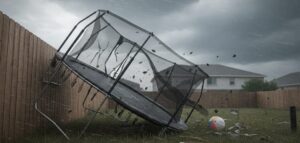
Keep Your Trampoline From Flying Away Using Corkscrew Stakes Or 40lb Sandbags. Get Permanent And Emergency Storm Tips Here.
View details
Learn about trampoline weight capacity, safety guidelines, and tips to choose the right trampoline for kids, adults.
View details
Maximize Trampoline Park ROI With 3D Design, ASTM Safety Standards, And Expert Turnkey Manufacturing Solutions.
View details
Learn How To Choose The Best Indoor Playground Flooring With Safety, Durability, And Comfort Tips For Kids And Family Fun.
View details