 Mimu Play








product search
Indoor PlaygroundNinja WarriorOutdoor PlaygroundTrampoline
search

To effectively clean outdoor playground equipment, honestly implement a standardized 3-step SOP on the line: wash, rinse and sanitize. Before you start cleaning, you need to remove the cobwebs, fallen leaves, and other debris from the surface. Then, use a soft-bristled brush dipped in warm water and mild detergent to carefully scrub the plastic slide, galvanized steel structure, and rubber mat. This formula can safely deal with stubborn bird droppings, dirt and mold. The most important thing is that it will not damage the UV coating that comes with the factory and will not cause rust. After brushing, rinse with ordinary tap water pipe. I must emphasize here: absolutely avoid the high-pressure water gun, it is easy to break through the protective paint. After rinsing, spray non-toxic detergent on the areas that children often touch to disinfect. Finally, let all moving parts and equipment frames dry thoroughly and do a daily wear check incidentally. This method can not only ensure the safety of children and eliminate bacteria and viruses to the greatest extent, but also greatly extend the service life of your commercial amusement equipment.
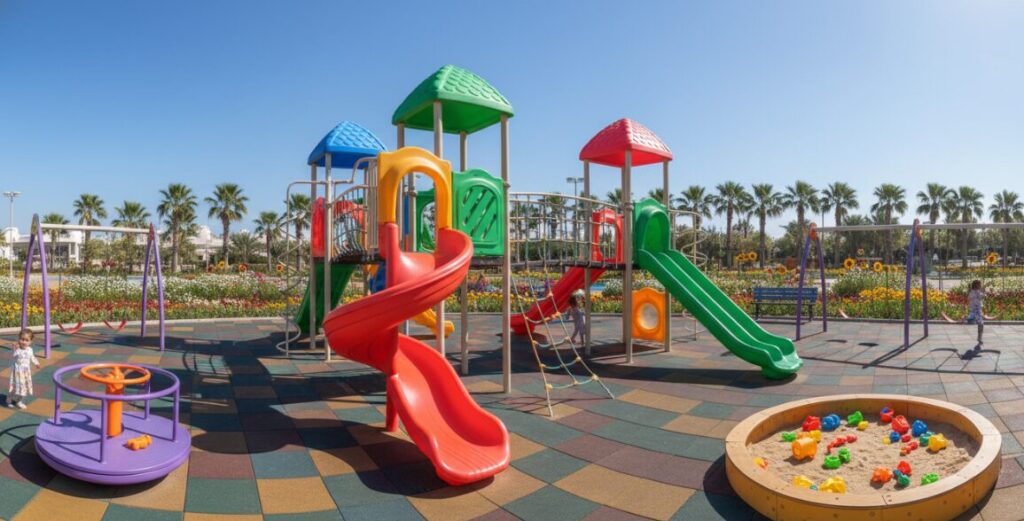
During the entire process of cleaning outdoor playground equipment, the first step is definitely the most physically demanding. This step can be broken down into two key actions:
Don’t rush to fill the water. First, manually sweep away cobwebs, dead leaves, and various small pieces of debris from the surface of the play area. If you skip this step, the mud and leaves will instantly turn into a disgusting puddle of mud when you rinse it with water, making it even messier the more you wash it.
The materials used in commercial playgrounds-especially plastic slides, galvanized steel and rubber mats-are actually quite delicate. Get some warm water and some mild detergent, and take a soft brush and brush it honestly. It works extremely well against bird droppings, deep dirt and mildew that can’t be picked out anyway.
There is a reason to specify the use of detergent and soft bristles. Don’t use powerful chemicals or hard brushes indiscriminately, which will directly scratch the anti-ultraviolet (UV) coating on the plastic parts, and even expose the galvanized steel to the air in advance. It is only a matter of time before rust and rot.
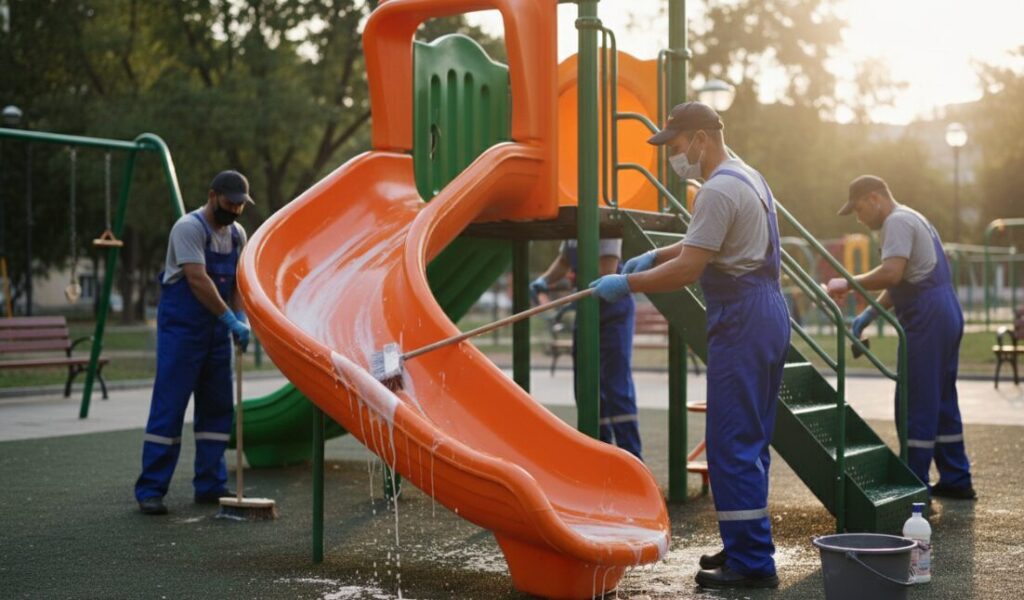
After the soapy water dissolves all the old dirt, it’s time to flush the equipment structure.
just pull an ordinary garden hose and wash away the soap, soil and mold remaining on the surface of the equipment.
Strong water pressure will directly strip the protective paint and coating on galvanized steel and plastic parts. Once this layer of protective film is gone, followed by rust, corrosion, and finally can only spend a lot of money to repair the aging of the structure.
Discover endless fun and spark imagination! Our indoor playground products create a safe, exciting paradise for children. Experience boundless joy now!
Embrace adventure and fresh air! Our outdoor playground products offer thrilling, safe experiences for kids to explore, play, and grow. Unleash the fun outside!
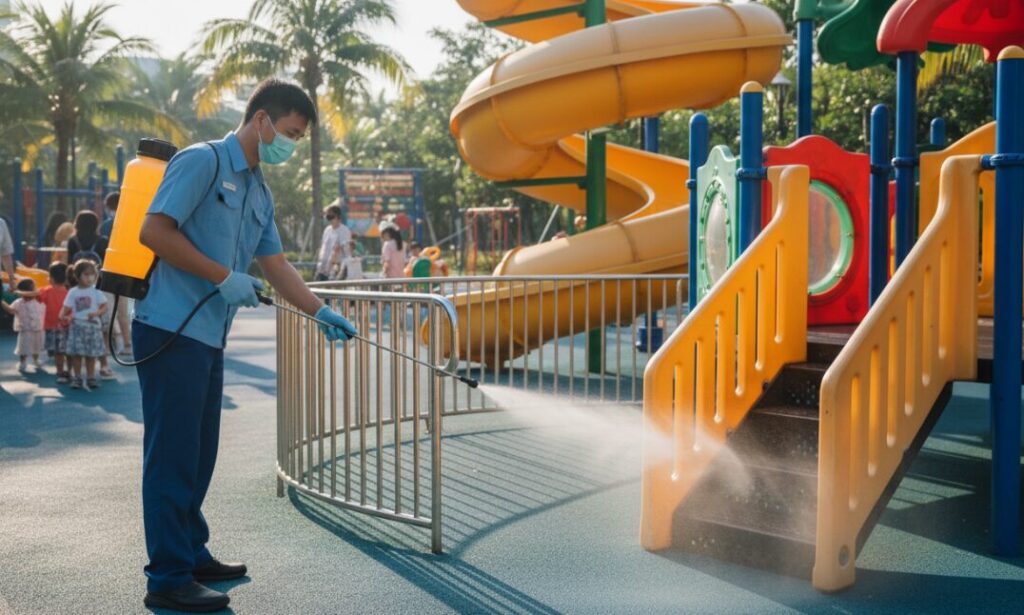
Cleaning only removes the dirty things visible to the naked eye, but to ensure that the site is absolutely safe for children at the micro level, it must be disinfected.
Find a high-quality non-toxic cleaner and spray it on the place where children’s hands touch most often. Mainly includes all kinds of handrails, railings and plastic slide entrance. Non-toxic products must be used, as the residual harmful chemicals can irritate the skin of children, which is no joke.
Allow all moving parts, structural joints and surfaces to air dry. To ensure that the moving parts dry can prevent internal rust, but also to avoid wet rubber floor mats into slipping hidden dangers.
The gap waiting for the equipment to dry is actually the prime time for routine maintenance and inspection. While there are no children and the venue is clean, quickly use your eyes to through all the moving parts, plastic slides and steel frame structures to find out if there are any signs of wear or tear. If you find those small problems early, you can definitely avoid any major accidents in the future.
Strictly following this set of “cleaning, rinsing and disinfection” SOP can bring 3 practical benefits to any commercial or public amusement park:
Author: David Walker
Hi, I’m a commercial playground maintenance specialist with over 10 years of experience. I specialize in developing strict cleaning and safety SOPs for public play areas. My mission is to help facility managers perfectly maintain their galvanized steel and plastic structures, significantly extending equipment life while guaranteeing maximum child safety.
Thinking About An Indoor Playground Business? Explore Its Profitability, Revenue Streams, And Potential Challenges.
View details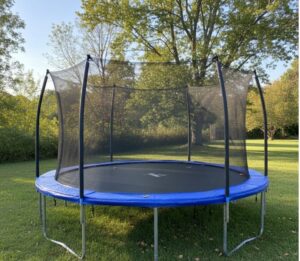
Understand The Importance Of Trampoline Weight Limits For Safety. Learn How To Choose A Trampoline That Provides Safety.
View details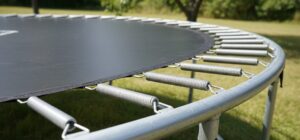
Discover How Spring Count Affects Trampoline Bounce And Durability. Learn Why Quality Matters As Much As Quantity.
View details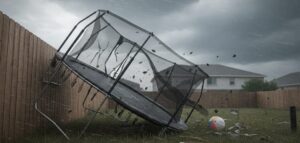
Keep Your Trampoline From Flying Away Using Corkscrew Stakes Or 40lb Sandbags. Get Permanent And Emergency Storm Tips Here.
View details