 Mimu Play








product search
Indoor PlaygroundNinja WarriorOutdoor PlaygroundTrampoline
search

Generally speaking, there are 5 standard diameter specifications for circular trampolines: 8 feet, 10 feet, 12 feet, 14 feet and 15 feet. Among these sizes, the 14-foot and 15-foot models are the first choice for families with children over 6 years old because they have the longest “service life” and do not need to be replaced after two years.
If you are looking for a professional bounce texture, or are limited by the shape of the venue, a rectangular trampoline is also a good choice. Common sizes include 7x 10 feet, 8x 12 feet, 9x 15 feet and 10x 17 feet. Of course, there are smaller options, such as a 36-50 inch fitness or toddler trampoline.
But before you decide on the size, when measuring, you must never just look at the frame diameter, you must reserve an additional 2-3 feet of “safety buffer space” (Safety Clearance) around the entire perimeter. This is about absolute safety when used in the future.
For a quick reference on what sizes trampolines come in and their ideal applications based on the standard dimensions, please refer to the table below:
| Trampoline Type | Common Dimensions | Best For / Key Features |
| Standard Round | 8ft, 10ft, 12ft | Standard backyard use; smaller diameters are common entry-level sizes. |
| Large Round | 14ft, 15ft | Families with children aged 6+; Offers the best longevity. |
| Rectangular | 7x10ft, 8x12ft, 9x15ft, 10x17ft | Professional bounce quality; Ideal for limited spaces or narrow yards. |
| Small / Mini | 36-50 inch | Fitness rebounders and toddler trampolines. |
These 5 diameter categories (8, 10, 12, 14, 15 feet) are globally accepted standards.
Although the 8-foot and 10-foot models are very compact and practical options for small yards, and the 12-foot model provides a compromise, to be honest, most buyers will eventually focus on the larger size after doing their homework. What everyone wants is better practicality. No one wants to buy something and throw it away in two years.
Discover endless fun and spark imagination! Our indoor playground products create a safe, exciting paradise for children. Experience boundless joy now!
Embrace adventure and fresh air! Our outdoor playground products offer thrilling, safe experiences for kids to explore, play, and grow. Unleash the fun outside!
14-foot and 15-foot diameters are the most popular choices for families with children 6 and older.
The core logic behind this is durability.
Children grow very fast. If they buy small ones, they will not be able to use their hands and feet soon. The 14-and 15-foot trampolines provide plenty of space from childhood to adolescence. More importantly, such a large surface area means it is safer-it allows the jumper to naturally stay in the center of the mat, away from the spring area at the edge. This is why I think it is the best choice for family investment.
Some customers have special requirements for performance, or the shape of the yard is more “tricky”. At this time, the rectangular trampoline is an alternative to the circular model. Their size spans from 7x 10 feet all the way up to 10x 17 feet.
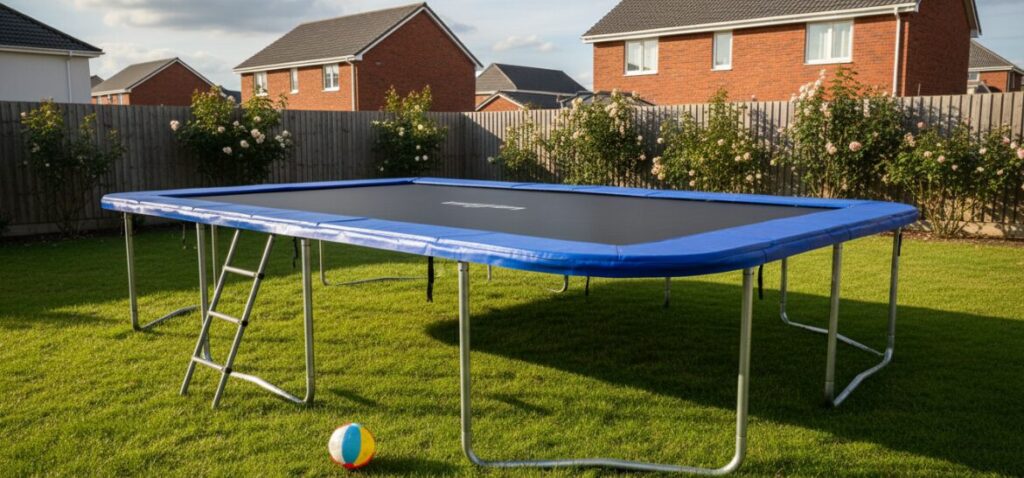
This shape was chosen for two main purposes:
If you don’t talk about large equipment in the backyard, there are also 36-50 inch compact variants on the market.
No matter which size you see from the above chart, the safety Clearance installation rules must be followed.
When you plan the site, you must strictly set aside an additional 2-3 feet of open space around the total diameter of the frame. This “buffer zone” is crucial to prevent jumpers from accidentally hitting fences, walls or other obstacles outside the trampoline net. Don’t sacrifice those few feet of lifesaving space to cram in a big size.
Author: Sarah Jenkins
As a backyard safety specialist, I help families choose the right equipment for their homes. I created this guide on what sizes trampolines come in to ensure you don’t just pick the right diameter (from 8ft to 15ft), but also account for the critical 2-3 feet of safety clearance. My goal is to help you balance fun with safety and longevity.
This will close in 0 seconds