 Mimu Play









pesquisa de produtos
Parque infantil interiorGuerreiro NinjaParque infantil exteriorTrampolim
pesquisa
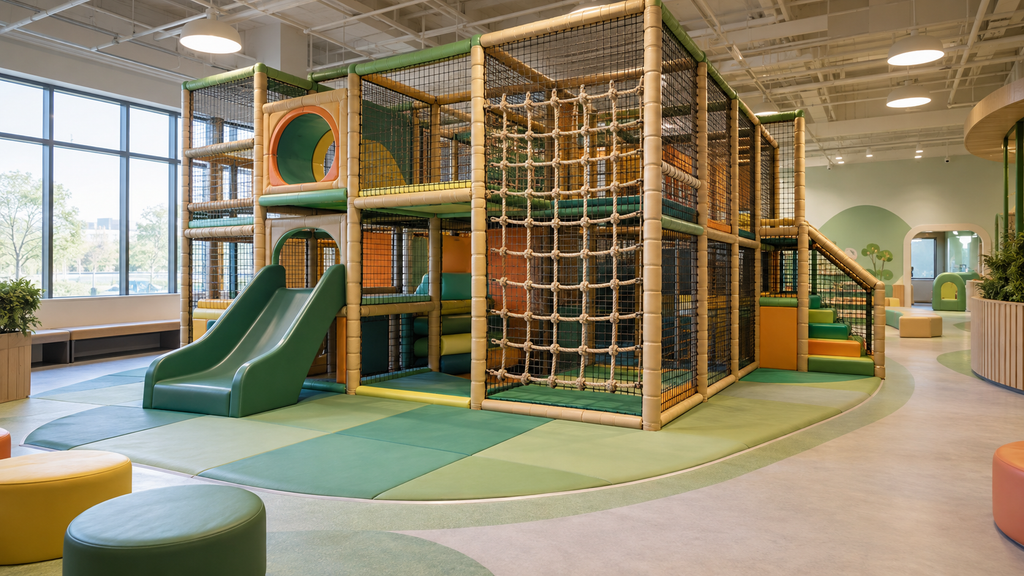
When reviewing indoor amusement park proposals, the most eye-catching elements are usually the renderings. The colors are very bright, the castle is large, and the slide winds down from a great height—parents are easily drawn in by such a scene at first glance. However, once the equipment is actually put into use, what often determines the user experience is not the design itself, but rather certain details that are not easily noticeable in the drawings.
For example, if a child is too afraid to move forward halfway, can he return by himself? When there is a line at the entrance of the slide, is there a place for the children behind to wait? Can the staff stand on the ground and see what happens behind the corner of the platform? These things look fragmentary, but they will appear repeatedly when they are in business every day.
Before choosing a jungle gym, first think more specifically about who will be using it. Are they mainly 4-year-olds or already school-aged children? Their height, strength, and judgment differ, so the same climbing route presents different levels of difficulty for them.
There’s no need to relentlessly pursue high standards in the younger age group. For children, lower activity height, stable support, and easy-to-find hand and foot placement are often more practical than complex shapes. We should also leave them a way to “change their minds.” If a child reaches the middle and no longer wants to continue, they can either retrace their steps or exit through a nearby exit, rather than being forced to keep climbing.
If several age groups share the same area, you cannot simply hang an age sign at the entrance. Older children run fast, while younger ones walk and stop frequently; the places where they’re most likely to bump into each other are usually the entrance, the slide’s exit, and the areas connecting the upper and lower levels. Rather than relying on staff to constantly remind customers after the store opens, it’s better to stagger the routes during the layout phase.
After getting the floor plan, you can assume that you are the child who entered the equipment and walked all the way from the entrance. Is it clear where the first step is going? Is there any sudden narrowing on the way? Are the bridge, climbing slope and slide all crowded on the same platform? After the exit, will it just hit another group of running children 1?
Now, let's look at it again from the staff's perspective. Themed barriers, cartoon-themed windows, and enclosed passageways can make the space more engaging, but if they obstruct too much of the view, it becomes difficult for on-site staff to promptly detect congestion or people walking against the flow. Especially at corners, connections between upper and lower levels, and slide entrances, it’s best to avoid having these areas completely out of sight.
Some activity jungle gyms are dominated by steel frames and soft package platforms, and some schemes will also add rope nets. The two are very coordinated together, but the way they are stressed is different.
For the frame, check that the crossbars, connectors, platform edges, and padding remain intact. The rope net will sway as the child climbs, so it’s even more important to pay attention to the fixed ends, knots, tension, and mesh size. If there is a rigid structure right next to the rope net, you should also consider where a child might hit if they swing or lose their footing. The name is adventure jungle gyms, which does not mean that the structure is naturally more suitable for a certain age group. In the end, it will fall on the specific configuration.
Many people will directly ask how high the equipment is. This number is important, but it is not enough. The more practical question is where the child can stand at the highest, which area will he fall from there, and whether there are steps, borders or other hard objects around him.
Protective ground should also be laid along the fall path, not just under the equipment. According to the relevant guidelines of public amusement parks in the United States, a use area of about 1.83 meters is usually reserved around independent climbing equipment. This is a reference for a specific scenario and cannot be directly applied to all projects. Depending on the equipment type, applicable age group, location requirements, and site conditions, the final determination shall ultimately be based on the project’s specific requirements and approved drawings.
Kids Space's existing indoor theme structure will use galvanized steel pipe, multilayer board, pearl cotton, PVC leather and PU leather. The main frame of the partial configuration adopts galvanized steel pipe with a diameter of 48mm and a wall thickness of 1.5mm; the structure with more than two layers adopts 2mm wall thickness steel pipe. The platform can be constructed from 18-mm plywood, 20-mm pearl cotton, and PVC leather.
These numbers are not universal formulas. When checking the scheme, it is necessary to pair the parameters with the specific model, number of layers, span and connection mode one by one. Taking only a list of materials, it is difficult to explain whether the entire equipment is suitable for the current site.
Children step on it, pull on it, and lean against it every day—so the equipment’s condition won’t stay as good as it was on the day of inspection. At the front of the business, if you walk 1 times along the tour route, you can usually find many problems: whether the soft bag has shifted, whether the joint is loose, whether the rope net is worn, whether the joint of the floor mat is warped, and whether there are too many sundries in the passage that should not appear.
Once an issue is detected, first isolate that area, perform repairs and re-inspection, then reopen it. Checking records isn't just for keeping files, either. If a particular area is consistently wearing down, it suggests that the issue may not be limited to the part itself; you should also examine the structural load distribution and passenger flow patterns.
That’s right—a jungle gym doesn’t necessarily have to be the tallest or most complex one. The child knows how to get in and has a way to get out safely; parents and staff can see key areas; and if there’s a minor issue with the equipment, it can be spotted and resolved on the spot. Such a space may not look particularly extravagant, but it feels much more practical to use.

Os limites do trampolim variam de 200-500+ Lbs. Veja nossa tabela de tamanhos de especialistas para modelos de 8 pés-16 pés para garantir a segurança antes de comprar.
Ver pormenores
Saiba como preparar o seu trampolim para o inverno. Proteja o tapete, a estrutura e as molas dos danos causados pela neve, gelo e vento.
Ver pormenores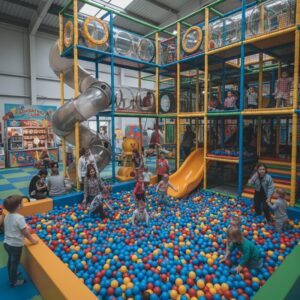
Descubra os custos de arranque de um parque infantil coberto, incluindo equipamento, aluguer, licenças e factores-chave de investimento.
Ver pormenores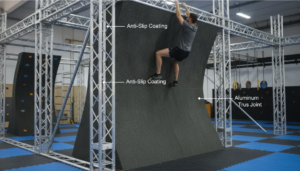
Essential Indoor Adventure Park For Adults Equipment: Avoid Costly Traps And Boost Roi With Our Pro Buyer Guide.
Ver pormenores