 Mimu Play








product search
Indoor PlaygroundNinja WarriorOutdoor PlaygroundTrampoline
search

The first step in designing an indoor playground is to divide it into different age groups, as children at different stages of development vary greatly in physical development, cognitive abilities, and interests. Our indoor playground designs tailored to different age groups may provide some reference.

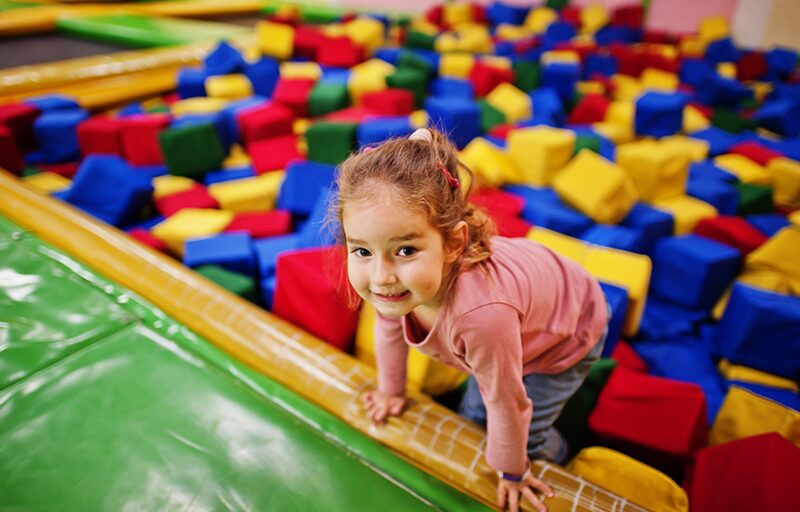
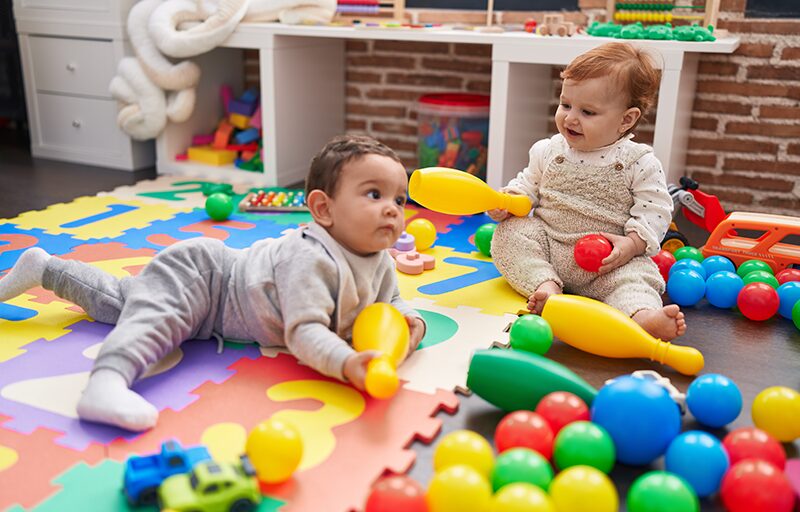

Design Focus: Safety and Sensory Development
Play Equipment: Soft building blocks, mini slides, ball pools, crawling mats, and tactile toys.
Safety Requirements: Height should be 30–50 cm, and the playground should be covered with soft materials to prevent bumps and bumps; no small parts should be swallowed.
Environmental Design: Soft colors and lighting should be used to protect children’s fragile eyes. Multi-sensory experiences such as visual contrast, sound, and touch should be enhanced to help develop sensory abilities.
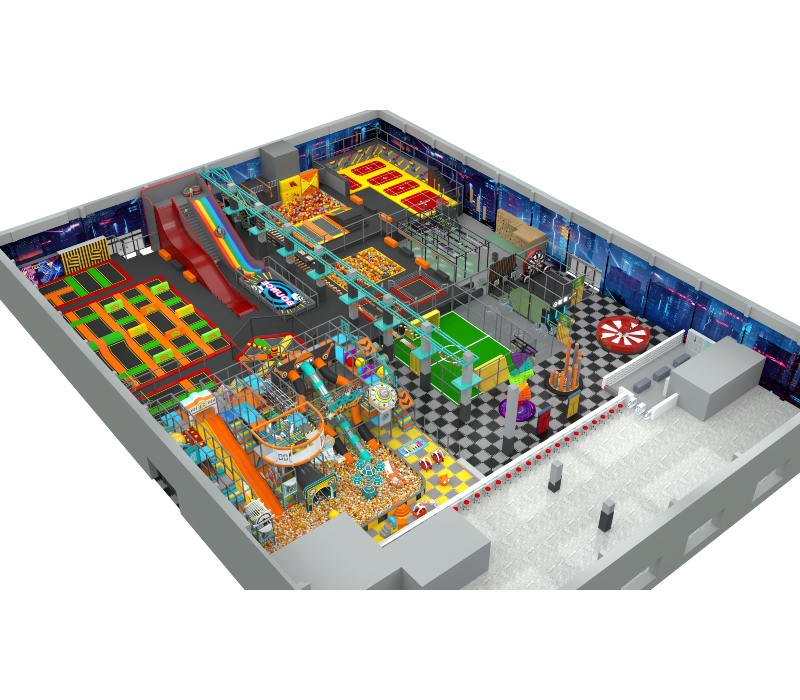
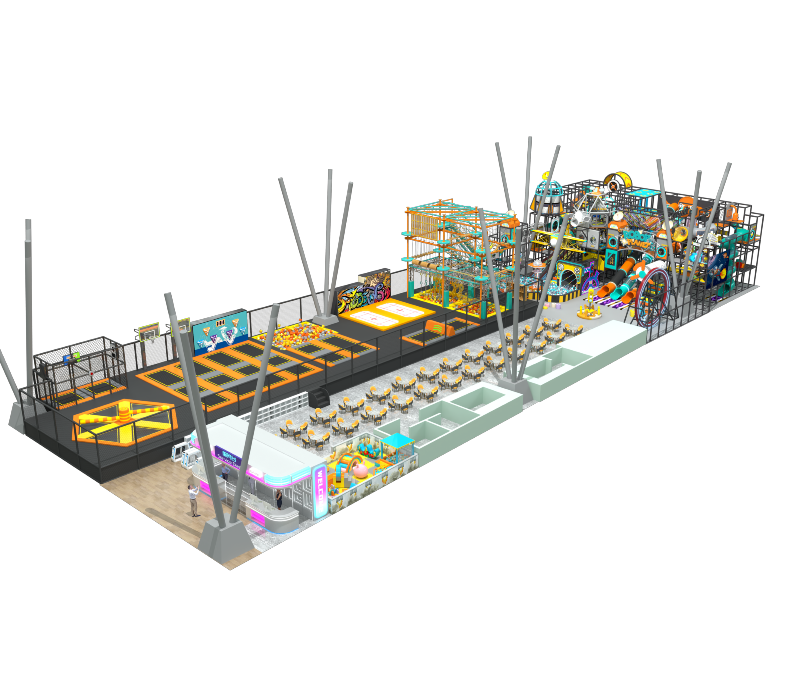
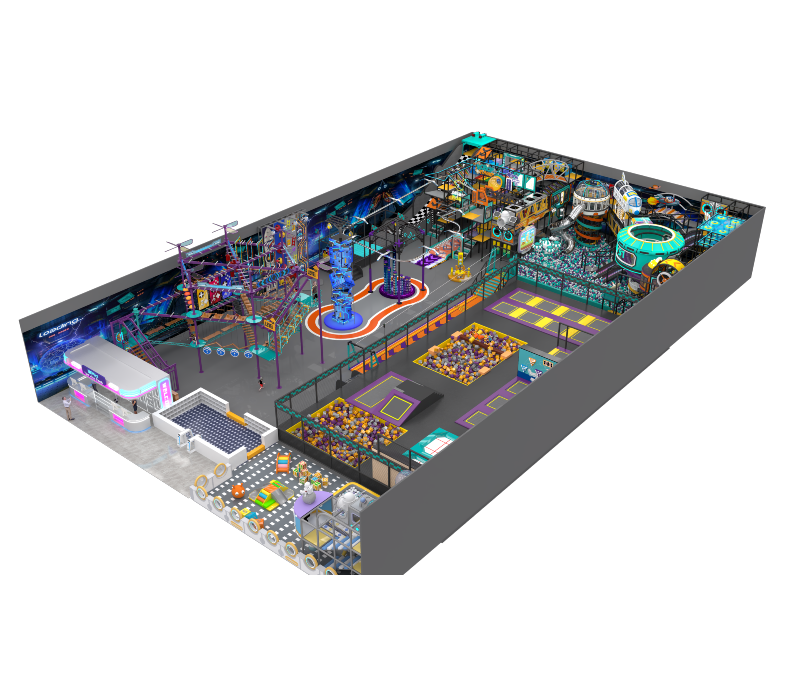
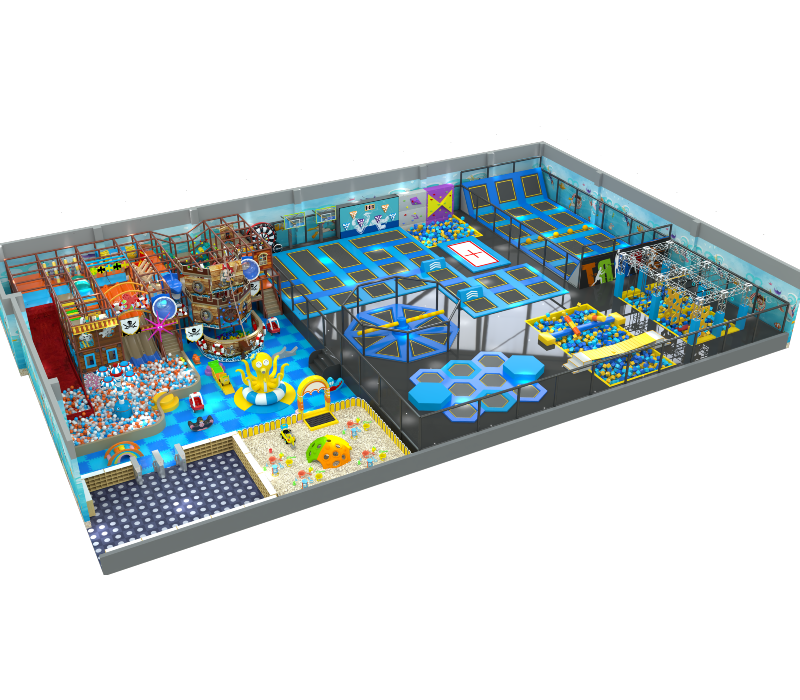
Design Focus: Motor skills, a desire for exploration, and social development.
Play Equipment: Small and medium-sized slides, climbing frames, tunnel crawling, trampolines, and role-playing rooms (kitchen/supermarket/hospital).
Educational Elements: Building block walls, magnetic walls, interactive projection, and educational tables. Environmental Design: Clearly themed areas (jungle adventure, ocean, fairytale castle) foster imagination and role-play.
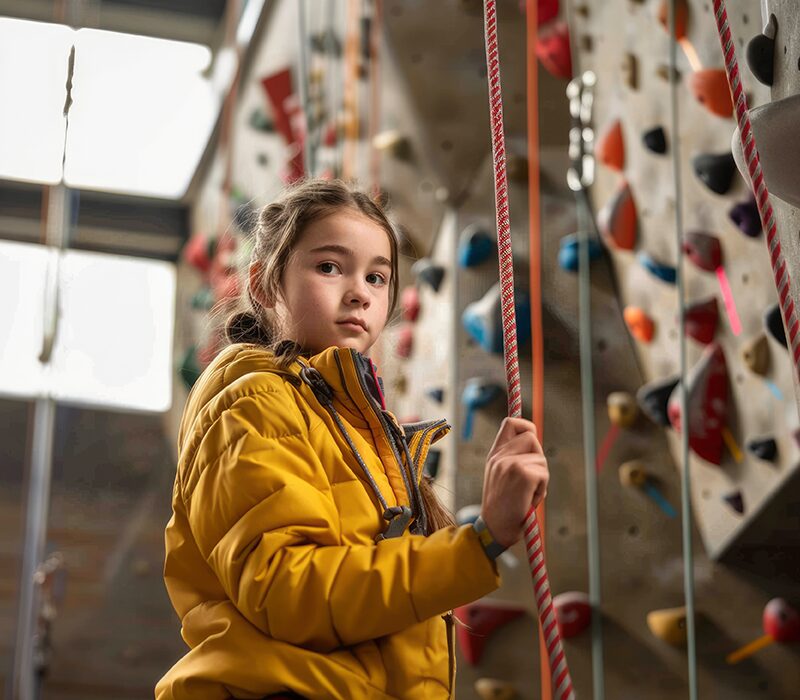
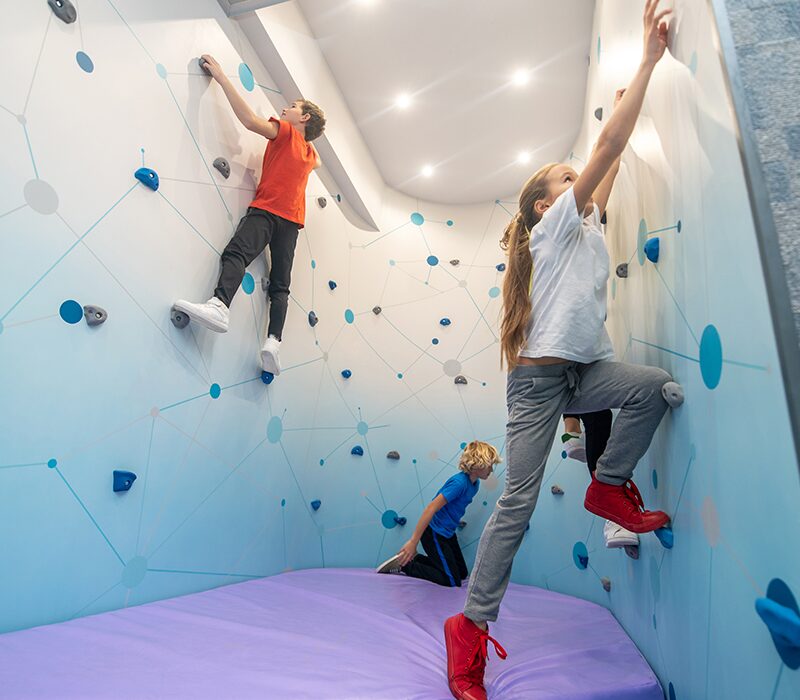
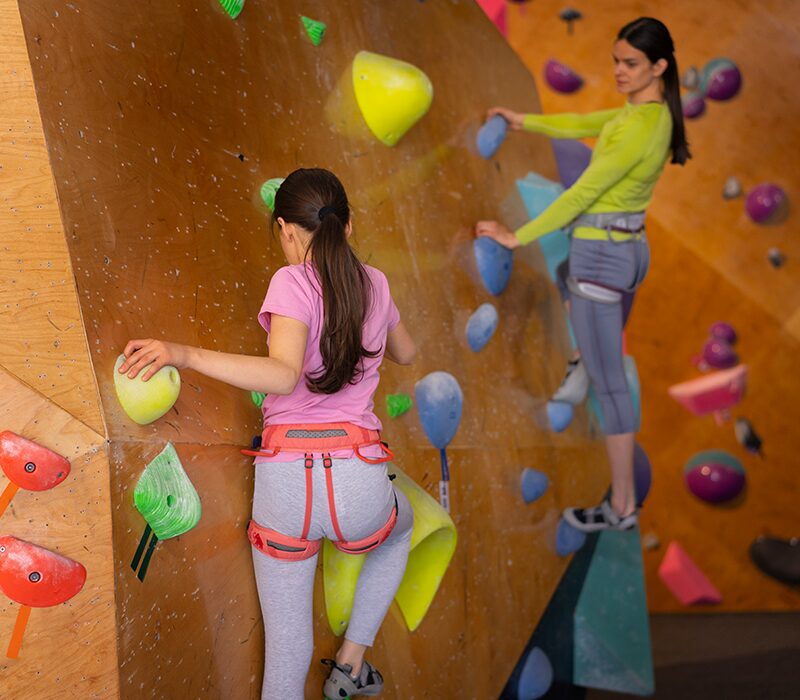
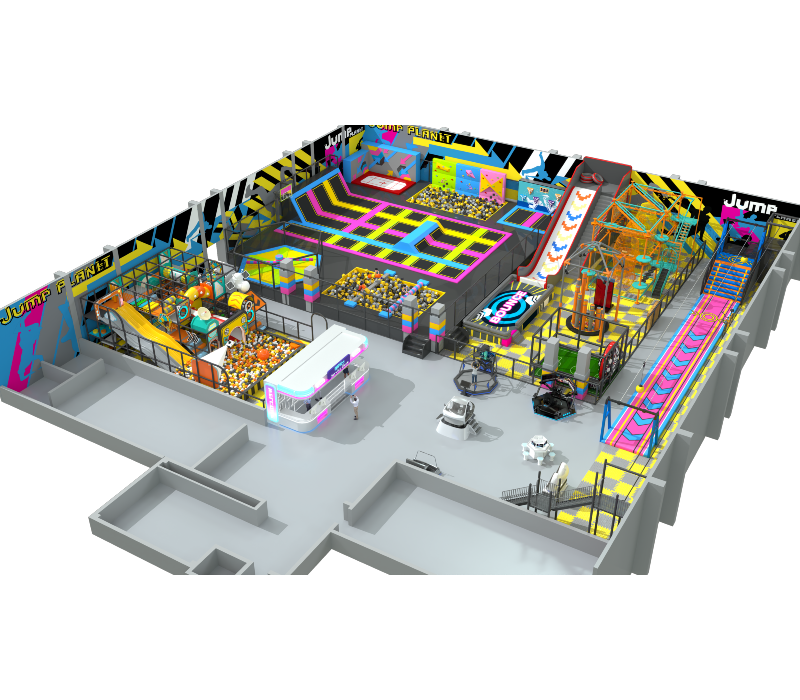
Design Focus: Physical challenges and teamwork
Play Equipment: Large climbing net, rope bridge, obstacle course, trampoline park, climbing wall
Interactive Games: Multiplayer competitive events (basketball machine, air hockey), team exploration games
Environmental Design: A more layered space, stimulating yet safe, avoiding overly childish content.
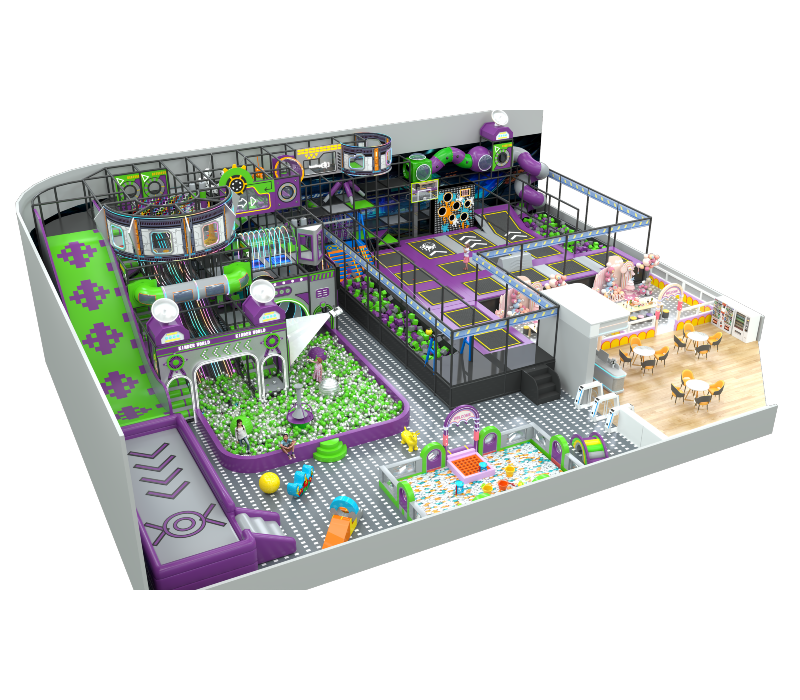
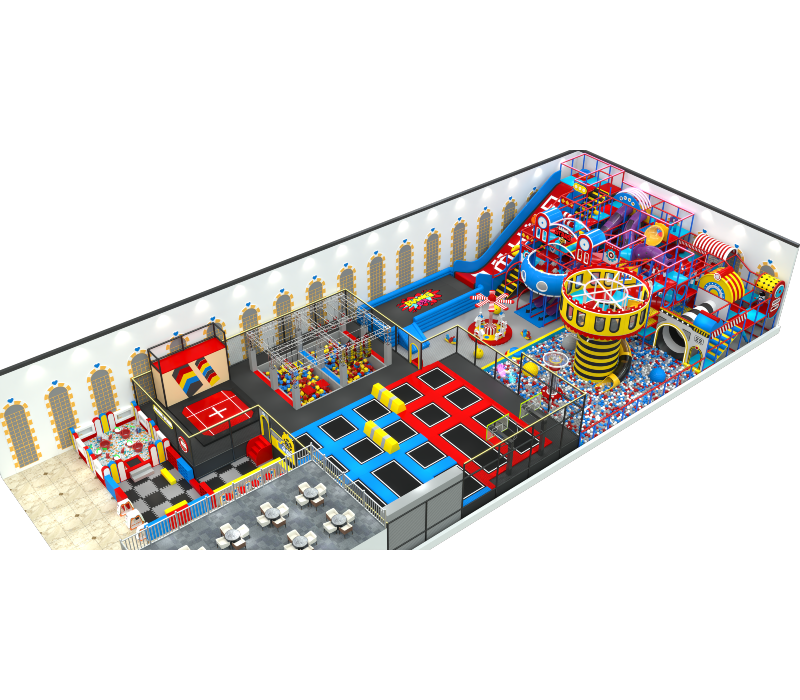
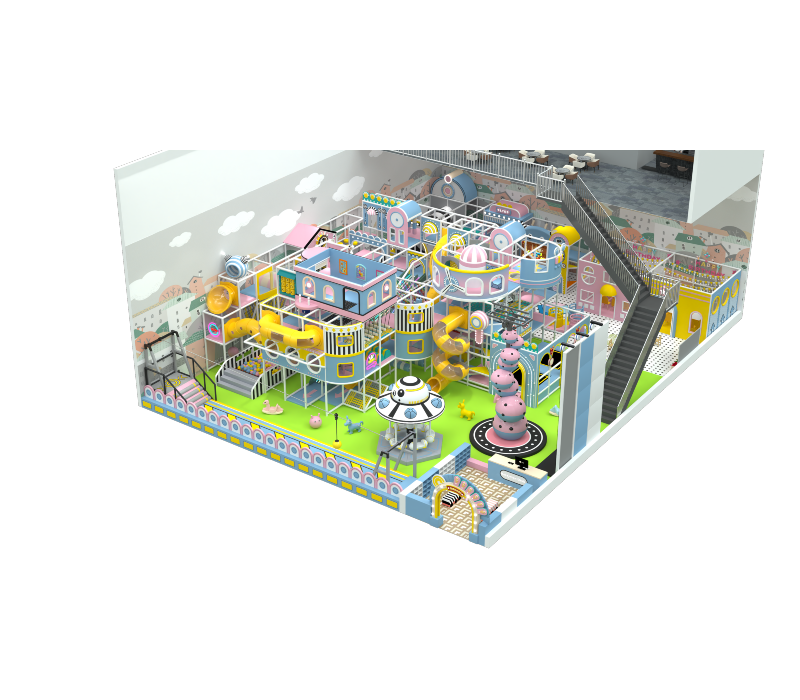

Design Focus: Sports development and stress-relieving entertainment
Play Equipment: Indoor rock climbing, cool running training track, virtual reality games, board game corner
Social Atmosphere: A more open leisure area with music and lighting, embracing a youthful and trendy atmosphere.
Business Integration: A coffee area, reading corner, and arcade games allow for interaction with parents and friends.
If you’re considering opening an indoor playground, there are some things to consider.